Custom Stationery vs. Generic Templates: What Actually Changes
When you're quoting stationery, it's easy to run into two very different kinds of supplier: one who sells you a generic template already made, and one who designs the piece around your brand from scratch. Both solve "having printed stationery," but they don't solve the same problem. Here's the real difference between custom design and a template, and when each one makes sense.
What a generic template is (and why it's so cheap)
A generic template is a ready-made design mold where only one detail changes (your name, your logo dropped on top) without touching the rest of the layout: the print shop decides the typography, colors, and composition, not your brand. That's why it's cheap: the same mold gets reused across dozens of different businesses.
The problem isn't that it looks bad, it's that it doesn't look like you: it's common to run into another business using the exact same template, just with the name swapped.
Custom design vs. template: what changes for your brand
With custom design, the piece is built from scratch with your colors, your typography (if you already have one), and your business's or practice's real information, not someone else's mold. That matters more than it seems for custom stationery: it's the piece your customer or patient literally holds in their hand, so it communicates as much as your logo on your storefront.
The other practical difference is the process: with a generic template you usually pick from a closed catalog; with custom design, we send you a digital proof of the final design before printing, so you approve it (or ask for changes) before a single piece goes into production.
Why choose a custom print shop in Guadalajara
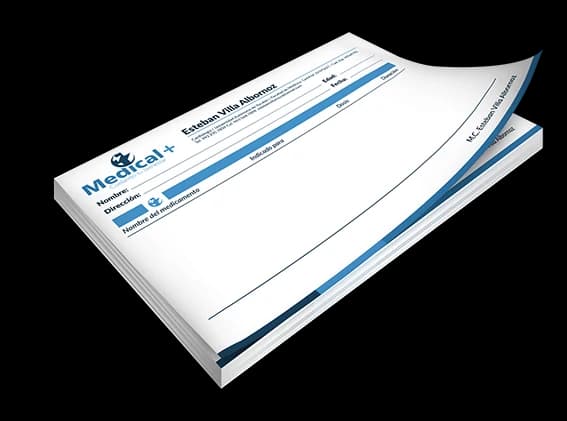
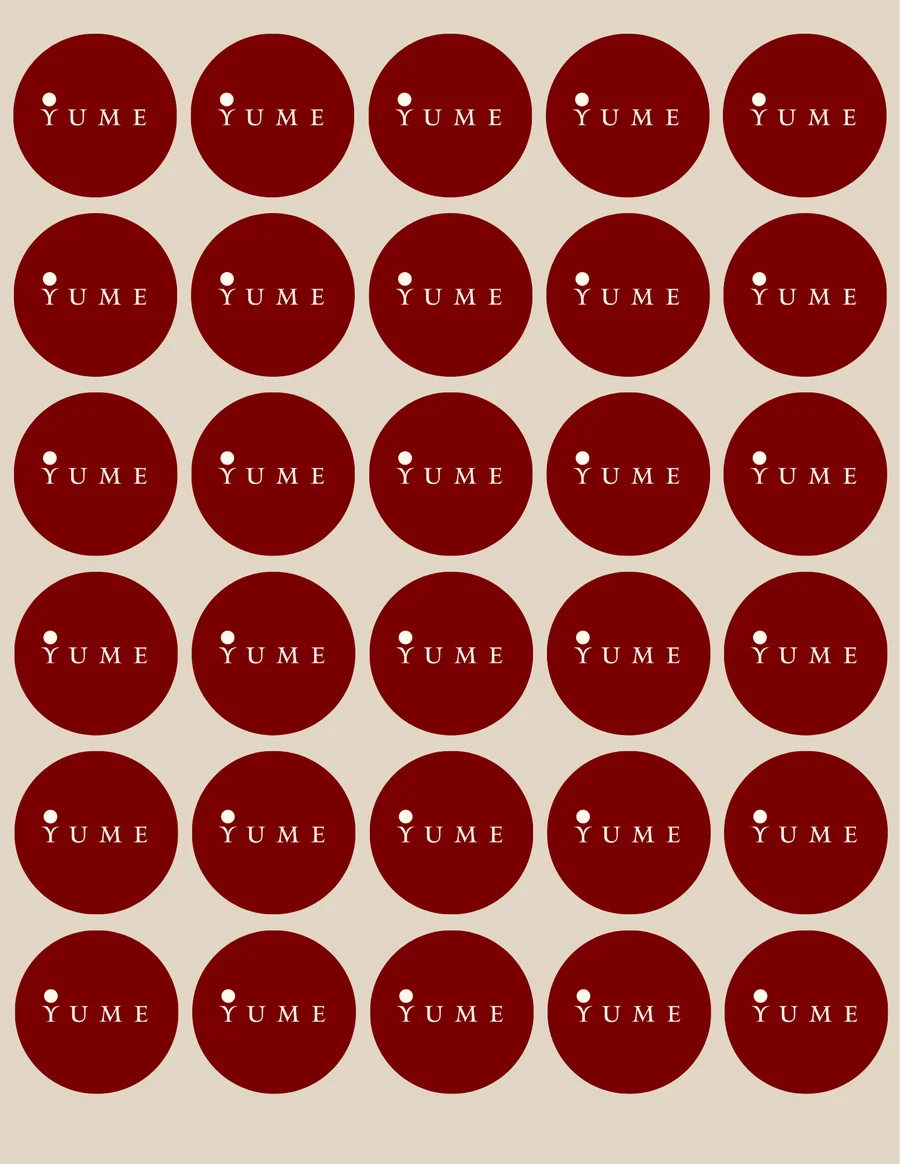
At Yume we operate as a custom print shop in Guadalajara, not a template shop: every prescription pad, every sticker, and every piece of custom stationery in Mexico we produce is designed around the real details of whoever ordered it, not a recycled mold.
If you already have a logo or brand identity, we adapt it directly into the piece; if you don't, we build it with you before reaching the digital proof stage. Either way, what you get is a piece that's actually yours, not a template with your name stamped on it.