NFC Plate vs. Printed QR Code: Which One Should You Use for Reviews?
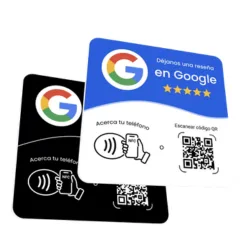
Printing a QR code on a sheet of paper and taping it to the counter is free and anyone can do it. So why pay for a plate with NFC? The difference isn't whether it works (a printed QR also leads to the review), it's durability, how easy it is to use, and the impression it leaves.
Durability: paper vs. a rigid plate
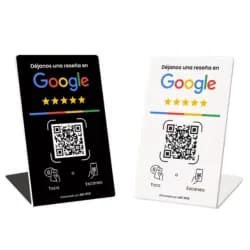
A printed sheet with a QR code wears out fast: it bends, gets wet, fades in the window sun, or just starts looking out of place after a few weeks on the counter. A rigid plate holds up to daily use at a business without discoloring or bending, and it reads as part of the counter, not an improvised notice.
NFC: one more option for the customer, not a QR replacement
A homemade sign only has a QR code: it works, but depends on the customer opening their camera and framing the shot correctly. NFC adds a second way to use it: just tap the phone, no aiming or focusing needed, something more people already recognize from contactless payment terminals. Having both on the same plate means no customer is left unable to use it.
Brand impression
A QR code printed on a letter-size sheet communicates something different than a plate designed to match your brand, in white or black, made to stay on the counter permanently. For a business that already cares about its image (a practice, a café, a shop), the difference shows.